
AI inbound sales for dentists.
Dentists-grade AI inbound sales, shipped by people who've done it before.
Recalls, bookings and patient messages handled automatically, with patient information protected under the Privacy Act 2020.
What AI inbound sales actually do
An AI agent that picks up every inbound enquiry the moment it lands - qualifies the lead, answers their questions with your real product knowledge, books the meeting, and only escalates the deals worth a human conversation. With the right workflow automated, nine hours of admin a week could drop to about one.*
*Illustrative example only, based on 9 hours a week of admin falling to about 1 hour a week. Actual results vary by workflow and business.
Small team.
Real systems.
Zero fluff.
What you get
We'd call the engagement a success when dentists are using the system without thinking about us.
- Instant reply on web forms, email, WhatsApp, and Facebook Messenger
- Qualifies budget, timeline, decision-maker before booking a call
- Trained on your actual sales playbook - not a generic chatbot
- Books straight into the right rep's calendar with the right context
- No annual contracts
- No shelfware or licences you do not use
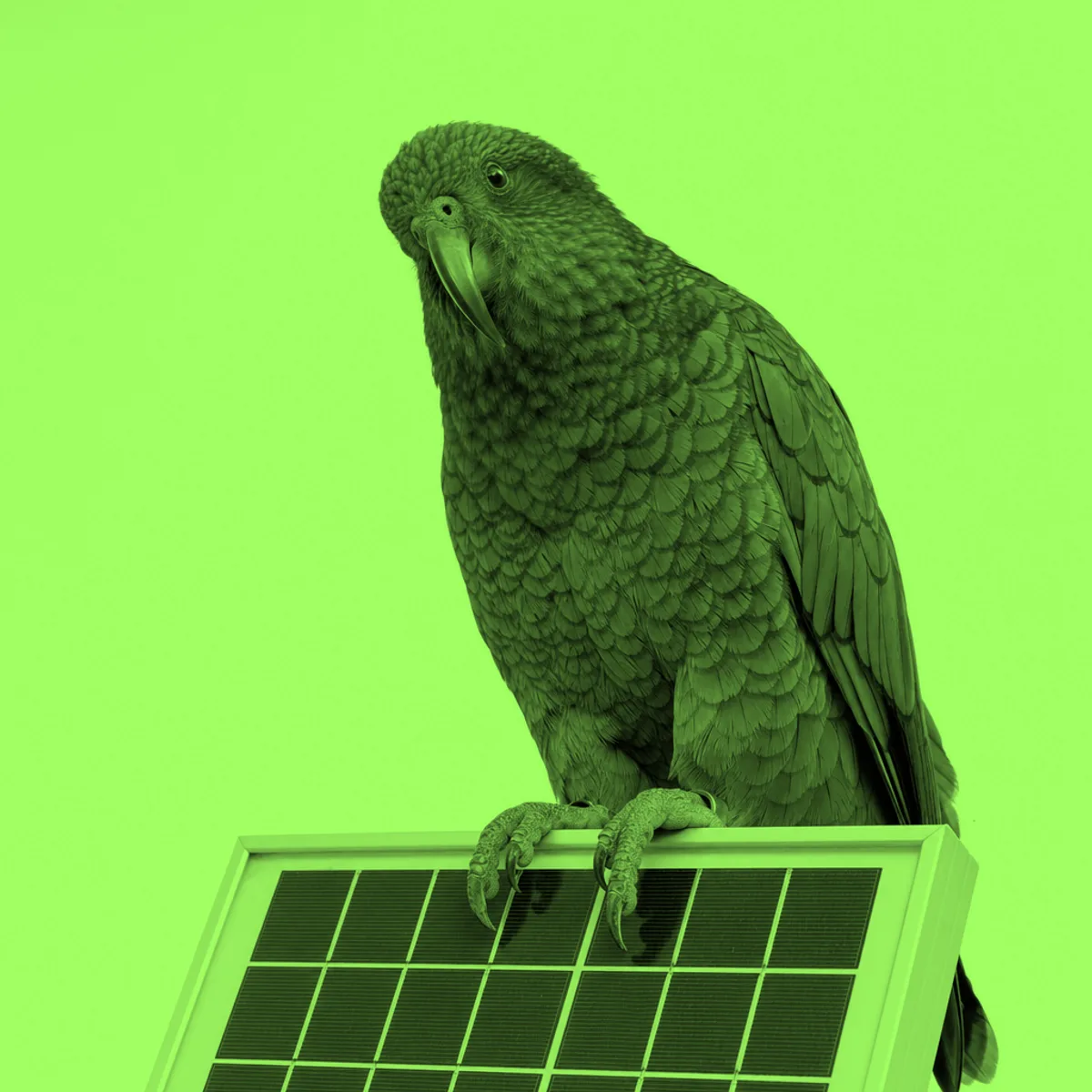
The pattern across most dentists we work with.
Dental practices live and die by a full chair and a clean recall list, and both take constant admin to keep on track.
No-shows, insurance queries, and recall reminders are the recurring admin load behind every dental front desk.
Small crew or big organisation, the busywork is the same :)
Quotes with GST, consent paperwork, LBP records and health and safety logs: the admin every New Zealand trade business carries.
*Illustrative example based on nine hours a week of admin. Actual results vary by workflow and business.
Not your typical AI agency.


*Every engagement is scoped and quoted up front. Results vary by workflow and business.
How much is the admin really costing you?
Nine hours a week of admin is 468 hours a year. That could drop to about 52.*
*Illustrative, based on 9 hours a week of admin at a typical 80% automation rate. The calculator uses your own numbers.
Good questions, answered
What tools do you build AI inbound sales on?
For AI inbound sales we usually reach for Claude / GPT-4 for conversation, Cal.com or HubSpot Meetings, Vector store of your sales collateral, Slack alerts for hot leads. We're tool-agnostic at heart - we pick what your dentist team can actually run after we hand the build over, not what looks good on a vendor sticker.
What's the smallest engagement you'd take on?
A two-week paid discovery for dentists that aren't sure whether the build is worth doing at all. You get a one-page write-up of what we'd build, what we'd skip, and what it would cost. About 30% of those discoveries end with us recommending you don't proceed.
Anyone else in this space using AI inbound sales?
Plenty. An NZ B2B services firm cut average response time from 7 hours to 90 seconds and lifted demo-booked rate by 41%. The interesting question is rarely "does it work" - it's "is your team ready to use the output." That's what we'd scope on the call.
Does it keep up with KiwiSaver changes?
It has to. The minimum employer contribution rose to 3.5 per cent on 1 April 2026 and rises to 4 per cent on 1 April 2028.
Can it remind us about the annual return?
Yes. Every company must file an annual return with the Companies Office each year, separate from its tax return.
Let's chat
StartContact us
Tell us what you're trying to do and we'll reply with how we'd build it, no obligation.
Was this helpful?
Thanks, your comment is with our team.